Leading Provider
Of Construction Products
Loading color scheme
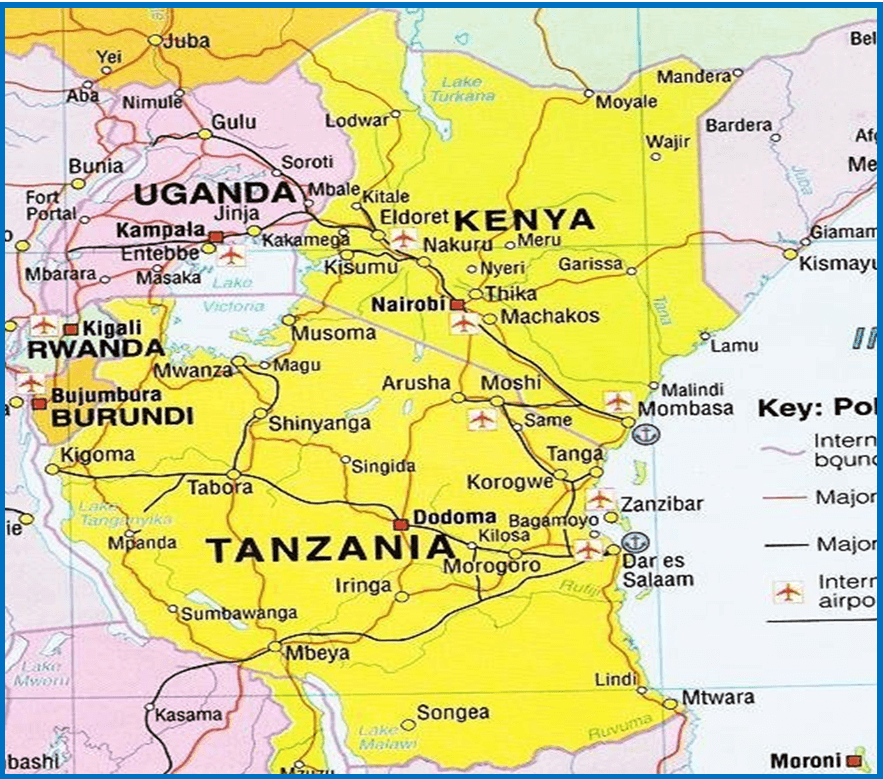
African cement consumption per capita is significantly below the world average of 500kg, with the region’s largest markets in Nigeria (126kg), Ghana (187kg), Kenya (80 kg) and Ethiopia (61kg) all showing huge potential for growth. In Kenya cement demand has outpaced GDP growth by a factor of two driven by growth in purchasing; power investments that have spurred infrastructure and housing development driving up demand for cement.
The Kenyan construction industry has been experiencing speedy growth in the last decade. This is largely attributed to rising demand for housing as well as the Government’s focus on mega infrastructural projects as outlined in President Uhuru Kenyatta’s vision of ‘’BIG-4 AGENDA’’. Manufacturing & Housing form the Capstone of these four pillars.
The standard gauge railway line, 10,000 KMS road constructions as outlined in Jubilee Administration manifesto and the Lamu-Port South- Sudan Ethiopia Transport Corridor (LAPSSET) are part of the projects this proposal aims to address. The first phase of the Standard gauge railway line was started in 2014 and has now reached Nairobi from Mombasa. The second phase that runs through Ngong hills to Naivasha and eventually to Busia border commenced in July 2018. It will require millions of tons of cement before completion. LAPSSET is another massive project that will require large volumes of cement before completion. It is expected to start later on in the year.
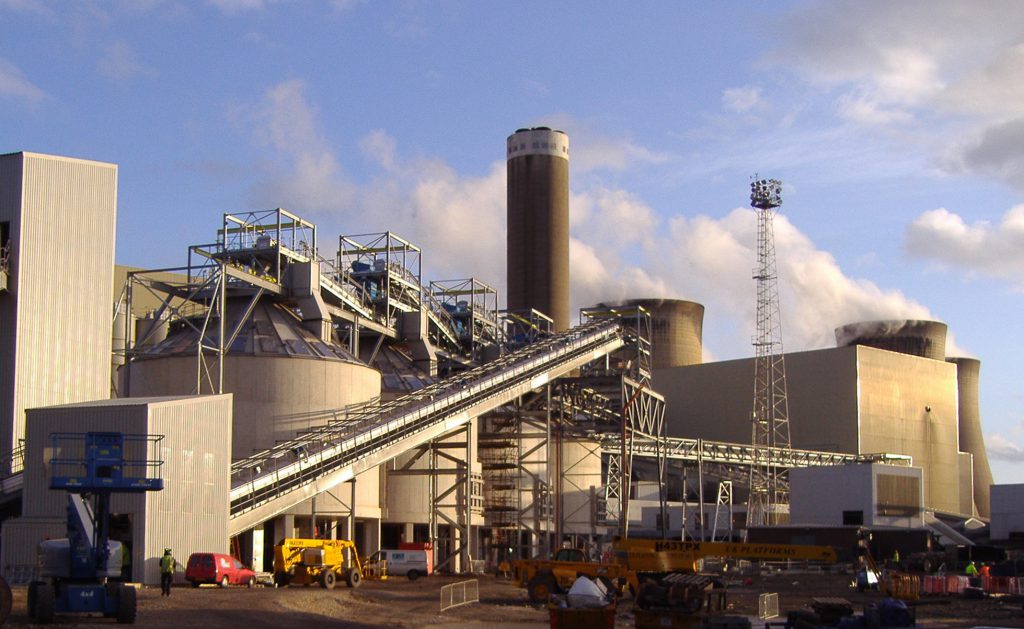
Currently, Kenya has eight cement producing companies. These cement companies manufacture a combined 20,100 metric tons of cement per day, against a market demand of 50,250 metric tonnes per day. Kenya’s cement sector has been highly fragmented since the year 1994 when the defunct Kenya Cement Marketers liberalized the cement industry. Historically, lack of state policy for creation of local content, dislocation of limestone resources, poor access to capital, bloated transportation costs of clinker and cement have created a condition where most cement plants can only sell their cement economically within a limited radius from the production plant and create plants with production capacity below one million tons per year. The Nakuru Mining Company integrated plant will be the first factory in Kenya that produces clinker at the cement grinding location, which will deliver a substantial cost advantage to imported goods. Our integrated plant will provide a significant service advantage to local cement manufacturing companies by reducing the time to market for accessing clinker immediately as opposed to over 2 months for imported clinker, as well as reducing the working capital that cement companies tie in the import of clinker. Nakuru Mining therefore positions itself as a holistic supplier to the cement factories that are located in Athi River, Kenya and also in other East African Countries. Our intended product availability of 1,056,000 tons of clinker per annum represents market satisfaction of only 23 %. The remaining 77 % still require imports.
Industry studies estimate that in the key East African countries, clinker production capacities represented about 30% of the cement production capacities. The same sources indicate that clinker capacities are set to remain firmly below grinding capacities across the region.